

LEV AC Charging Station for Light Electric Vehicles
Explore LEV AC charging stations for electric two-wheelers and compatible three-wheelers. Discover 3.3 kW charging, safety features and installation needs.
3.3 kW AC
Discuss your charging setup Explore compatibility, power and installation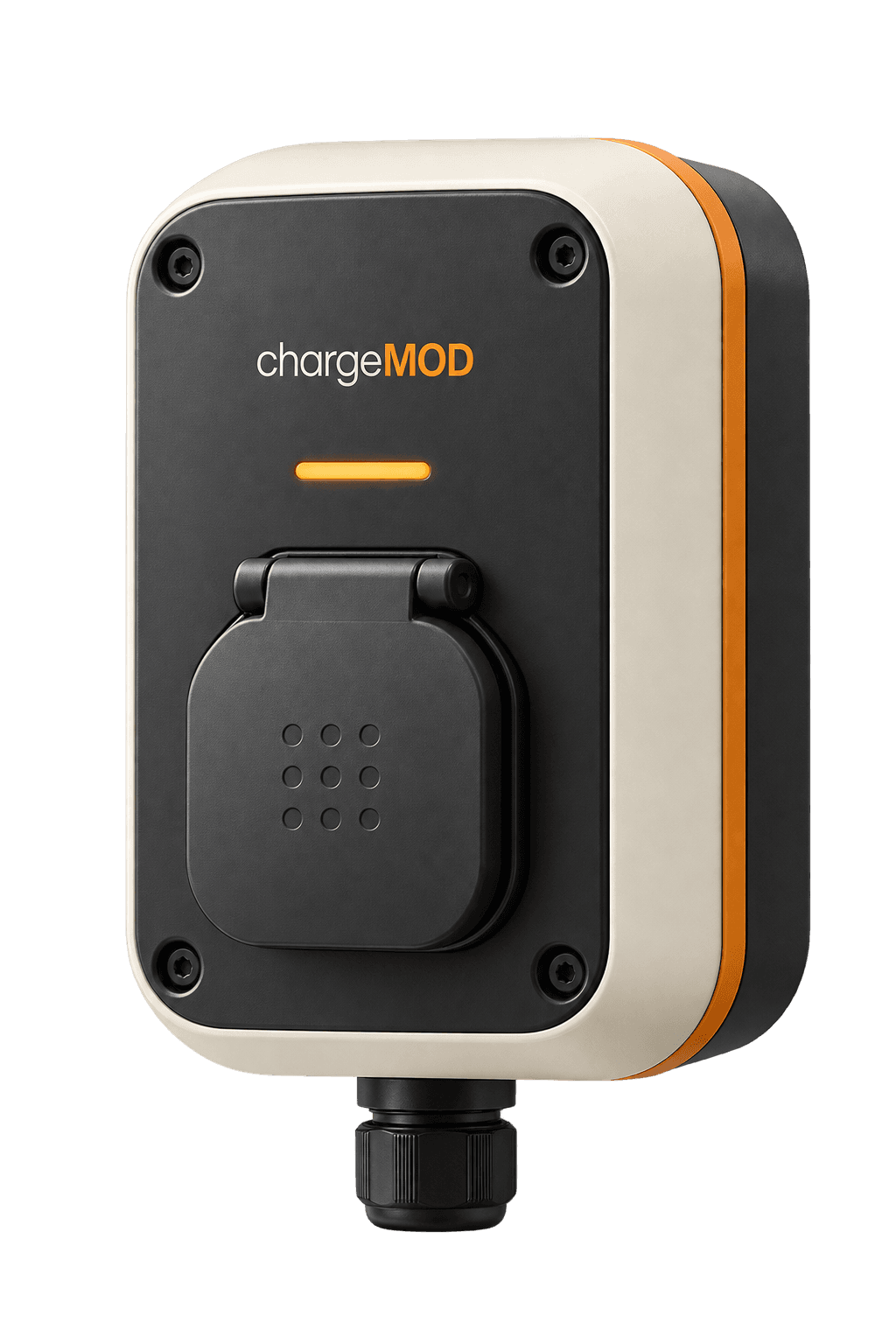
LEV AC Charging Stations
Light electric vehicles are becoming an important part of everyday transportation in India. Electric scooters, motorcycles, e-bicycles, and compatible electric three-wheelers are widely used for commuting, local deliveries, passenger transport, and business operations. As their adoption grows, convenient and safe charging infrastructure becomes increasingly important. A LEV AC charging station provides a dedicated charging point for compatible light electric vehicles, allowing them to receive alternating current (AC) from an electrical supply through suitable charging equipment.
LEV AC charging is designed around the relatively low power requirements of light electric vehicles. In India, the relevant Bureau of Indian Standards specification, IS 17017 (Part 22/Sec 1):2021, addresses basic AC charging equipment for light electric road vehicles. The corresponding charging arrangement supports a rated supply of up to 240 V AC and current up to 16 A, with a charging power of approximately 3.3 kW under suitable operating conditions.
A properly designed LEV AC charger can support residential charging, apartment parking, workplaces, delivery hubs, and commercial charging locations. Depending on the equipment, it may also offer user authentication, energy monitoring, and app-based control.
Choosing the right solution requires attention to vehicle compatibility, electrical safety, installation conditions, and charging requirements. With appropriate equipment and planning, businesses and property owners can establish convenient charging points that support the growing use of light electric mobility.
What Is a LEV AC Charging Station?
A LEV AC charging station is an electric vehicle supply system designed to provide alternating current to compatible light electric vehicles. LEV stands for Light Electric Vehicle and generally includes smaller electric vehicles such as e-scooters, electric motorcycles, e-bicycles, and certain electric three-wheelers.
Unlike a DC charger, which converts electricity into direct current within the charging equipment, an LEV AC charging point supplies AC electricity for conversion by the vehicle's compatible onboard charging system. The exact arrangement depends on the vehicle design and the charging equipment being used.
In India, IS 17017 (Part 22/Sec 1):2021 provides a relevant standard for basic conductive AC charging of light electric vehicles. The standardised arrangement supports charging equipment designed for a supply voltage of up to 240 V AC and current of up to 16 A. A charging point operating at 230 V and 16 A has a theoretical input power of approximately 3.68 kW, although actual equipment ratings, operating limits, and usable charging power depend on the product specification.
A LEV AC charger can provide a practical charging option for locations where compatible vehicles remain parked for extended periods. However, buyers should not assume that every electric two-wheeler or three-wheeler can connect directly to every AC charging point. Vehicle compatibility, connector requirements, onboard charger specifications, and the manufacturer's instructions must be checked before use.
How Does a LEV AC Charger Work?
A LEV AC charger provides a controlled connection between an electrical supply and a compatible light electric vehicle.
The charging process generally involves the following steps:
- Vehicle connection: The user connects the compatible charging cable or vehicle charging arrangement to the designated charging point.
- Safety checks: The charging equipment verifies the conditions required for safe operation, according to its design.
- Charging initiation: Depending on the equipment, charging may begin automatically or require user authentication through a supported interface.
- AC power delivery: The charging point supplies alternating current within its rated operating limits.
- Battery charging: The vehicle's compatible onboard charging system converts the supplied electricity into the form required by the battery.
- Session completion: Charging ends when the vehicle completes the session, the user stops it, or the equipment detects a condition requiring the supply to stop.
Some LEV AC charging systems support Bluetooth Low Energy (BLE) communication, allowing users to control charging or access session information through a compatible mobile application. Other features, such as energy measurement and user authentication, depend on the equipment's specifications.
Key Features of a Light Electric Vehicle AC Charger
A suitable light electric vehicle AC charger should provide a reliable connection, appropriate electrical protection, and a charging arrangement that matches the intended application.
1. Charging Designed for Light Electric Vehicles
LEV AC charging equipment is intended for compatible light electric vehicles with suitable AC charging arrangements. Its power rating should match the vehicle's requirements rather than being selected solely on the basis of the available electrical socket.
A charger designed for LEVs can be useful where users need regular charging for daily travel, delivery work, or local transportation.
2. Standardised Electrical Interface
Compatibility between the electrical installation, charging point, and vehicle is essential. The applicable charging standard and connector arrangement help establish the requirements for a suitable connection.
For installations based on the relevant Indian LEV AC charging specification, the charger and socket arrangement should be verified against the applicable BIS requirements and the manufacturer's documentation.
3. Charging Control and Monitoring
Depending on the product, a LEV AC charger may support functions such as app-based charging control, session monitoring, and energy consumption records. These features can help users understand charging activity and allow operators to manage shared charging facilities.
Commercial users should verify whether the equipment records individual charging sessions or supports a connected management platform.
4. Electrical Protection
Electrical safety is a fundamental requirement for any charging installation. The equipment and its supporting electrical circuit should incorporate the protection required by their design and applicable regulations.
Depending on the product, this may include overcurrent protection, suitable earthing arrangements, and protection against specified electrical faults. The installation may require additional protective devices according to the charger's design and the electrical system.
5. Suitable for Different Charging Locations
LEV AC charging points can be deployed in suitable residential, workplace, fleet, and commercial environments. The mounting arrangement, electrical supply, environmental protection, and access requirements will vary by location.
An assessment of the installation site helps determine whether the proposed equipment is appropriate for the intended use.
Understanding the 3.3 kW EV Charger for LEVs
A 3.3 kW EV charger is a relevant power category for light electric vehicle charging in India. It offers a practical option for compatible vehicles that can accept charging at this power level and for locations where a dedicated, low-power charging arrangement is sufficient.
At a nominal supply voltage of 230 V, a 3.3 kW load draws approximately 14.3 A under an idealised calculation, assuming a power factor close to one. The actual input current and charging power depend on the equipment's electrical characteristics and operating conditions.
A charger rated at 3.3 kW does not guarantee that every connected vehicle will draw 3.3 kW. The vehicle's onboard charger, battery requirements, and charging control determine the actual power delivered.
How Long Does a 3.3 kW LEV AC Charger Take to Charge a Vehicle?
Charging time depends on the battery's usable capacity, the amount of energy required, the charger's actual output, and charging losses.
A simplified estimate is:
Charging time (hours) = Energy required (kWh) ÷ Average charging power (kW)
For example, supplying 2 kWh at an average charging power of 1 kW takes approximately two hours before accounting for losses. If the vehicle accepts a higher charging rate, the same amount of energy may be supplied more quickly.
The rated output of the charging station should not be confused with the power accepted by the vehicle. Many light electric vehicles use relatively low-power onboard chargers, so the charging time can vary considerably between models.
| Consideration | Why it matters |
|---|---|
| Battery capacity | Determines the total energy the battery can store |
| Current battery charge | Determines how much additional energy is required |
| Onboard charging capability | Limits the power the vehicle can accept from an AC supply |
| Charger rating | Defines the equipment's specified power capacity |
| Charging losses | Mean that input energy and energy stored in the battery are not identical |
| Battery management | May adjust charging power according to battery conditions |
These factors should be considered when estimating charging times for a particular electric scooter, motorcycle, or three-wheeler.
Applications of a LEV Charging Station
A LEV charging station can support several applications where compatible light electric vehicles are used regularly.
Residential and Apartment Charging
Residential charging allows electric two-wheeler owners to charge their vehicles near their homes. Apartment complexes can also provide designated charging points for residents who do not have access to an individual charging installation.
Shared residential installations should consider electrical capacity, parking arrangements, cable routing, access control, and energy metering. Where several charging points are planned, the total electrical load should be assessed before equipment is installed.
Offices and Workplaces
Workplaces can provide charging points for employees who travel using electric scooters or motorcycles. Vehicles can charge while their owners are working, making use of parking time without requiring separate charging stops.
Employers should consider the number of employees likely to use the facility, charging duration, electrical capacity, and the need for individual charging records.
Delivery and Logistics Operations
Delivery companies often use electric two-wheelers and other light electric vehicles for local transportation. A dedicated charging area can support daily operating schedules by providing convenient access to electricity when vehicles return to a depot or delivery hub.
For these operations, charging requirements should be assessed according to fleet size, battery capacity, daily distance, vehicle turnaround time, and available charging windows.
Commercial Properties and Retail Locations
Shops, service centres, and other commercial properties can install LEV charging points for customers, employees, and delivery partners.
The suitability of the installation depends on the site's electrical infrastructure, available parking, customer demand, and the operating conditions of the selected equipment.
Electric Three-Wheeler Charging
An electric three-wheeler AC charger can be suitable where the vehicle supports the relevant AC charging arrangement. However, not every electric three-wheeler uses the same charging system, and some models rely on different charging methods or battery configurations.
Before installing a shared charging point, confirm the vehicle manufacturer's charging specifications and ensure that the selected equipment supports the intended vehicle.
How to Choose the Right LEV AC Charging Point
Selecting a LEV AC charging point involves more than checking its power rating. The charging equipment must suit the vehicle, electrical installation, and intended use.
Check Vehicle Compatibility
Confirm that the vehicle supports the charging point's electrical and connector arrangement. The manufacturer's instructions should be used to determine the approved charging method.
Do not assume that a standard household socket, an industrial socket, and a dedicated EV charging point are interchangeable.
Verify the Charger Rating
Choose equipment with a suitable voltage, current, and power rating. The charging point should operate within the limits specified by the vehicle and the electrical installation.
A higher-rated socket does not automatically make a vehicle charge faster. The vehicle's onboard charging capability remains an important limitation.
Evaluate Safety Features
Review the charger's technical documentation to understand its built-in protection and any additional requirements for installation.
The electrical circuit should be appropriately designed, including suitable wiring, earthing, and protective devices. A qualified electrician should verify the installation before the charging point is used.
Consider User Access and Control
For shared charging facilities, consider how users will access the charging point and whether charging sessions need to be recorded.
Depending on the product, access may be managed through an application or another supported control method. Commercial operators should confirm which functions are included in the selected model.
Assess Environmental Conditions
Charging equipment installed outdoors may be exposed to rain, dust, heat, and physical impact. The enclosure rating and installation method should be suitable for the location.
Cable management is also important. Charging cables should not create trip hazards or interfere with vehicle movement.
Plan for Future Demand
A charging installation should reflect current requirements while considering possible future growth. If a residential complex, workplace, or delivery depot expects more electric vehicles, it may be useful to plan suitable electrical capacity and space for additional charging points.
LEV AC Charger vs Standard Electrical Socket
A standard electrical socket and a dedicated LEV AC charging point should not be treated as equivalent simply because both supply AC electricity.
A standard socket provides electrical power for compatible appliances. A dedicated charging point is designed for an EV charging application and may include specific connector arrangements, control functions, and other features required by the applicable charging specification.
The correct arrangement depends on the vehicle's charging system and the equipment manufacturer's instructions.
| Factor | Standard electrical socket | Dedicated LEV AC charging point |
|---|---|---|
| Primary purpose | General electrical supply | Charging compatible light electric vehicles |
| Charging compatibility | Depends on the vehicle's approved charging equipment | Depends on the specified LEV charging interface |
| Charging control | Usually limited to the socket and supporting circuit | May include dedicated charging control and communication features |
| Energy monitoring | Requires separate measurement if not already provided | May include energy measurement, depending on the model |
| Installation considerations | Must be suitable for the connected load and intended use | Must meet the charging equipment's installation and protection requirements |
A standard socket should only be used for vehicle charging when the vehicle manufacturer and charging equipment explicitly permit that arrangement and the electrical installation is suitable for the load. A dedicated charging point may be preferable for shared or commercial use because it can provide a more suitable and manageable charging setup.
Installation and Safety Requirements
Installing a LEV AC charging station requires attention to the electrical supply, equipment specifications, mounting arrangement, and local safety requirements.
Before installation, a qualified professional should assess the available circuit capacity and determine whether the existing electrical system can support the proposed charging load.
Important considerations include:
- Electrical circuit: The circuit and wiring must be suitable for the charger's rated voltage and current.
- Earthing and protection: Appropriate earthing and electrical protection must be provided according to the equipment design and applicable requirements.
- Mounting location: The charging point should be accessible without obstructing pedestrian movement or vehicle parking.
- Environmental protection: Outdoor equipment should have an appropriate enclosure rating and mounting arrangement.
- Cable management: Cables should be routed and stored to reduce the risk of damage, obstruction, or accidental contact.
- Inspection and testing: The installation should be checked before regular use to confirm that it operates as intended.
The applicable BIS standards and current electrical safety requirements should be verified for the chosen product. The charger manufacturer's installation instructions should also be followed.
What to Look for in an LEV AC Charger Supplier
Choosing the right supplier can help ensure that the charging equipment meets the requirements of the intended application.
Before purchasing a LEV AC charger, review the following:
- Product specifications: Confirm rated voltage, current, power, connector type, and operating conditions.
- Standards and compliance: Verify relevant BIS standards and available product conformity documentation.
- Protection features: Understand the built-in safeguards and any additional installation requirements.
- Control functions: Check whether the equipment supports user authentication, mobile application control, or energy monitoring.
- Installation assistance: Confirm whether technical guidance, site assessment, or commissioning support is available.
- Warranty and maintenance: Review the warranty terms, service arrangements, and availability of replacement components.
- Expansion options: For commercial projects, determine whether additional charging points can be incorporated into the installation later.
For fleet operators and commercial property owners, the supplier should also be able to explain how the charging equipment will work within the existing electrical infrastructure and whether it can support the intended operating schedule.
Conclusion: Choose the Right LEV AC Charging Solution
A LEV AC charging station can provide a practical way to support the everyday charging needs of compatible electric two-wheelers and three-wheelers. Whether the installation is intended for a home, apartment complex, workplace, delivery depot, or commercial property, the right equipment should match the vehicles' charging requirements and the site's electrical capacity.
A 3.3 kW EV charger can be suitable for certain light electric vehicle applications, but the actual charging rate depends on the vehicle's onboard charging capability and the conditions of the electrical supply. Buyers should therefore check the equipment specifications and vehicle manufacturer's recommendations before selecting a charging point.
Safety and installation quality are equally important. Suitable wiring, earthing, protective devices, appropriate mounting, and professional inspection help establish a dependable charging arrangement. For shared and commercial locations, energy monitoring and access management may also improve day-to-day operation.
As electric mobility continues to expand, well-planned LEV charging infrastructure can help make charging more accessible for individual users and businesses. Explore EV charging solutions in India to identify suitable charging options for your property, fleet, or commercial requirements. Choosing compatible equipment and planning for future demand can help create a charging setup that remains practical as the number of light electric vehicles grows.
Frequently Asked Questions About LEV AC Charging Stations
1. What is a LEV AC charging station?
A LEV AC charging station is a dedicated charging point that supplies alternating current to compatible light electric vehicles. It can be used for electric two-wheelers and compatible three-wheelers, depending on their charging specifications.
2. What does LEV mean in EV charging?
LEV stands for Light Electric Vehicle. In charging applications, it commonly refers to smaller electric vehicles such as electric scooters, motorcycles, e-bicycles, and certain electric three-wheelers.
3. What is the power rating of a LEV AC charger?
A common LEV AC charging configuration in India supports up to 240 V AC and 16 A under the relevant IS 17017 (Part 22/Sec 1):2021 specification. A 3.3 kW charger is a common power category for this application, although actual ratings vary by product.
4. Can a LEV AC charger charge electric scooters?
Yes, if the scooter supports the charging point's electrical and connector arrangement. Always check the vehicle manufacturer's instructions before connecting it to a charging station.
5. Can a LEV AC charging point be used for electric three-wheelers?
It may be suitable for electric three-wheelers that support the relevant AC charging interface. Compatibility should be confirmed because vehicle charging systems can differ.
6. How long does a 3.3 kW EV charger take to charge a light electric vehicle?
Charging time depends on the battery capacity, energy required, and the power the vehicle can accept. A vehicle with a lower-power onboard charger may take longer to charge even when connected to a 3.3 kW charging point.
7. Is a LEV AC charger the same as a LEV DC charger?
No. A LEV AC charger supplies alternating current for conversion by the vehicle's compatible onboard charging system. A LEV DC charger converts electricity within the charging equipment and supplies direct current through a compatible charging interface.
8. Can a LEV AC charging station be installed in an apartment?
Yes, if the charging equipment is compatible with the vehicles and the electrical installation can support the required load. Shared installations should consider circuit capacity, parking arrangements, access, metering, and electrical safety.
9. Does a LEV AC charger support mobile application control?
Some models support mobile application control, including features such as starting or stopping charging and viewing charging information. These functions depend on the specific product and its communication capabilities.
10. What should I check before buying a LEV AC charger?
Check the vehicle's charging requirements, connector compatibility, rated power, electrical protection, installation requirements, available monitoring features, warranty, and after-sales support.