

Type 2 EV Charging Station for Smarter AC Charging
Explore Type 2 AC chargers in 7.4 kW, 11 kW and 22 kW options. Find suitable Type 2 EV charging stations in India, for homes and commercial properties.
7.4 / 11 / 22 kW AC
Discuss your charging setup Explore compatibility, power and installation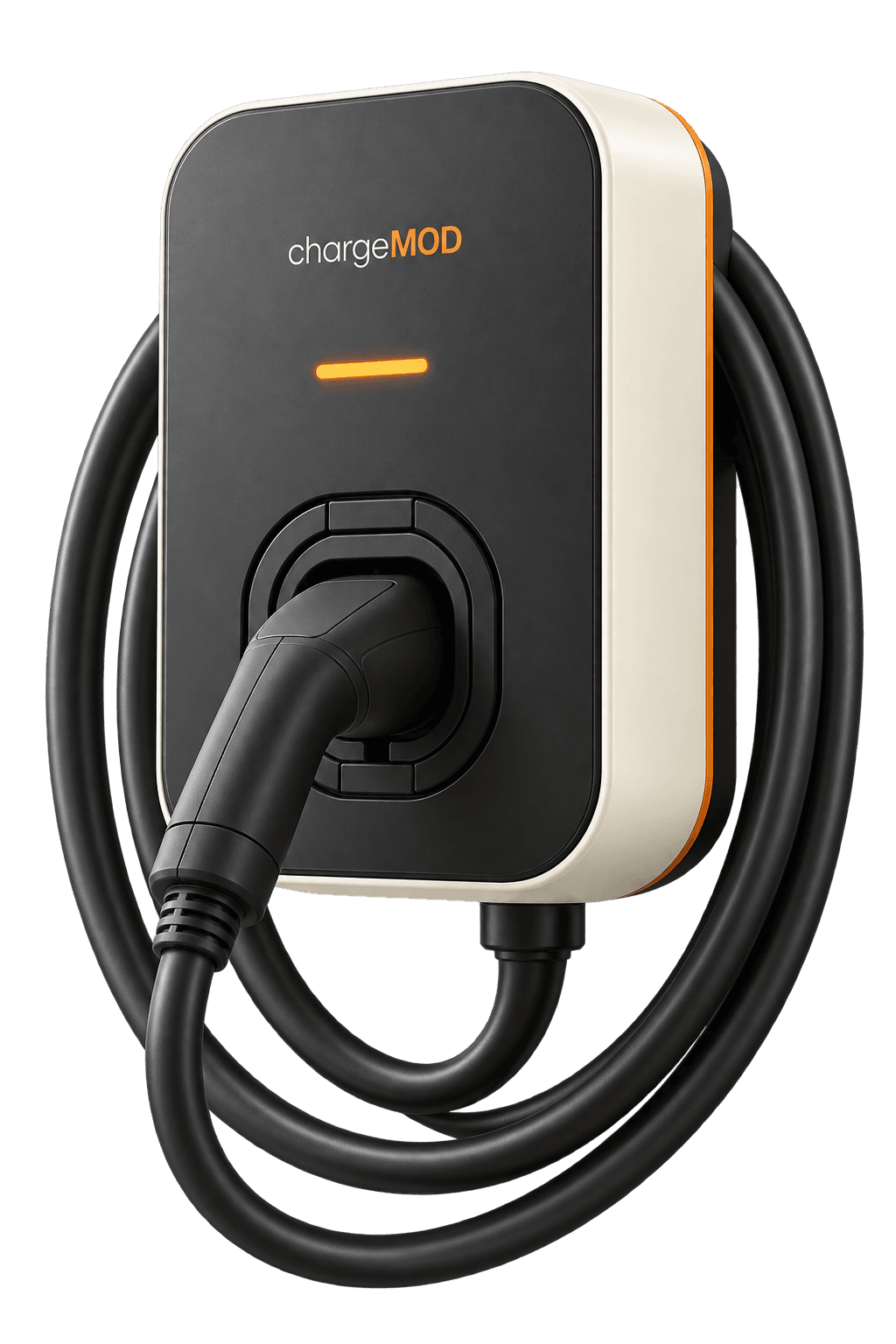
Type 2 AC Charging
Choosing the right electric vehicle charging equipment is important for creating a convenient and dependable charging experience. A Type 2 EV charging station is an AC charging solution designed for electric vehicles that support the Type 2 connector. It is used in various charging environments, including residential parking, offices, hotels, commercial properties, and public charging facilities.
Type 2 AC charging works by supplying alternating current (AC) to the vehicle. The vehicle's onboard charger converts this electricity into direct current (DC), which the battery can store. The charging speed depends on several factors, including the charger's power rating, the vehicle's onboard charging capacity, the available electrical supply, and the battery's charging requirements.
With power options such as 7.4 kW, 11 kW, and 22 kW, Type 2 AC charging equipment can accommodate different vehicles and charging environments. The right choice depends on how frequently a vehicle needs charging, how long it remains parked, and the electrical infrastructure available at the installation site.
For businesses and property owners, installing suitable AC charging equipment can support employees, customers, residents, and visitors who drive electric vehicles. For individual EV owners, it provides a practical option for charging during regular parking periods. Understanding connector compatibility, power ratings, safety features, and installation requirements helps buyers select a solution that meets their current needs and supports future charging demand.
What Is a Type 2 AC Charger?
A Type 2 AC charger is an electric vehicle charging system that uses a Type 2 connector to supply alternating current to a compatible vehicle. The connector interface is covered by the IEC 62196 family of standards, with IEC 62196-2 addressing dimensional compatibility requirements for AC charging connectors and vehicle inlets.
The Type 2 connector has seven contacts, supporting power connections and the signalling functions required for controlled charging. Depending on the charger and vehicle, the connection can support single-phase or three-phase AC charging.
Unlike a DC fast charger, a Type 2 AC charger generally relies on the vehicle's onboard charger to convert incoming AC electricity into the DC power required by the battery. Consequently, the vehicle's onboard charging capability is a key factor in determining the actual charging rate.
For example, a 22 kW Type 2 charging station may be suitable for a vehicle capable of accepting 22 kW AC charging. However, if the vehicle supports a lower AC charging rate, it will not necessarily use the station's full rated capacity.
This makes it important to evaluate the charger and vehicle together before choosing an installation.
How Does a Type 2 EV Charging Station Work?
A Type 2 EV charging station manages the connection between the electrical supply and a compatible electric vehicle.
The process generally involves the following stages:
- Vehicle connection: The charging cable connects the charging station to the vehicle's Type 2 inlet.
- Safety communication: The charger and vehicle exchange control signals to establish whether charging can begin.
- Power supply: Once the required conditions are satisfied, the station supplies AC electricity.
- Power conversion: The vehicle's onboard charger converts the AC electricity into DC power for the battery.
- Charging management: The charging system and vehicle regulate the session according to their capabilities and operating conditions.
- Session completion: Charging stops when the vehicle reaches its charging target, the user ends the session, or a safety condition requires the supply to stop.
This process allows a Type 2 charging station to provide controlled charging for compatible vehicles in residential and commercial environments.
Key Features of a Type 2 AC Charger
When selecting a Type 2 EV charger, consider the equipment's electrical capabilities, safety provisions, installation flexibility, and available management features.
Multiple Power Options
Type 2 AC charging equipment is available in different power ratings. Common options include 7.4 kW, 11 kW, and 22 kW, allowing buyers to select equipment according to their vehicle's capabilities and site requirements.
A higher-rated charger can provide more power when the vehicle and electrical supply support it. However, choosing a larger capacity does not automatically mean that every vehicle will charge faster.
Controlled Charging
The charger communicates with the connected vehicle to manage the charging process. Depending on the equipment, users may be able to monitor the charging status through indicator lights, a display, or a connected platform.
Safety and Protection
A suitable AC EV charger should incorporate the protective functions required for its design and intended installation. Depending on the model, these may include overcurrent protection, residual-current protection, temperature monitoring, and fault detection.
The installation must also have suitable earthing, circuit protection, and other protective measures specified by the manufacturer and applicable electrical requirements.
Smart Charging Capabilities
Some charging stations support features such as scheduled charging, remote monitoring, access control, and energy consumption records. Networked models may also support communication with a central charging management platform.
These capabilities can help property owners and businesses manage charging sessions and monitor electricity usage.
Flexible Installation
Depending on the product design, a Type 2 charging station can be installed using a wall-mounted or pedestal-mounted arrangement. The installation should provide convenient cable access while keeping the charging area safe and accessible.
7.4 kW, 11 kW and 22 kW EV Chargers Explained
The power rating determines the maximum power a charger is designed to supply under its specified operating conditions. Selecting the right rating requires checking the vehicle's AC charging capacity and the electrical supply available at the installation site.
7.4 kW EV Charger
A 7.4 kW EV charger typically uses a suitable single-phase electrical supply. It can be a practical option for residential charging, private parking spaces, and locations where vehicles remain parked for several hours.
For drivers who charge overnight or during extended parking periods, this power rating may provide sufficient charging capacity without requiring a higher-rated installation.
The actual output depends on the vehicle, electrical supply, and charger configuration.
11 kW EV Charger
An 11 kW EV charger commonly uses a three-phase electrical supply. It provides a higher potential AC charging rate than a 7.4 kW charger and can be suitable for workplaces, residential complexes, and commercial parking facilities.
Before selecting this option, confirm that three-phase power is available and that the vehicle can accept the corresponding AC charging rate.
22 kW EV Charger
A 22 kW EV charger generally requires a suitable three-phase supply and can provide a higher AC charging rate for compatible vehicles.
It may be appropriate for commercial premises, hotels, fleet parking areas, and other locations where vehicles need to receive more charge during a defined parking period.
However, the vehicle's onboard charger may limit the power it can accept. A 22 kW station therefore does not guarantee 22 kW charging for every connected vehicle.
Comparing the Three Charging Options
| Factor | 7.4 kW | 11 kW | 22 kW |
|---|---|---|---|
| Typical electrical supply | Single-phase | Three-phase | Three-phase |
| Potential charging power | Lower | Moderate | Higher |
| Typical use case | Residential and private parking | Homes and workplaces with suitable infrastructure | Commercial sites and higher-demand parking |
| Main consideration | Available circuit capacity | Three-phase availability and vehicle compatibility | Electrical infrastructure and vehicle charging limits |
| Best selection approach | Match the charger to daily charging needs | Assess charging demand and available supply | Confirm that the additional capacity can be used effectively |
These are typical configurations. Actual specifications depend on the charger model, electrical supply, and installation requirements.
Where Can a Type 2 Charging Station Be Used?
A Type 2 charging station can serve different charging environments, provided the connected vehicle and installation meet the relevant requirements.
Residential Charging
Home charging allows electric vehicle owners to recharge their vehicles while parked overnight or during other extended periods.
Before installation, assess the available electrical capacity, vehicle parking position, cable routing, and required protective devices. A professional site assessment can help determine whether the existing electrical connection is suitable.
Office and Workplace Charging
Businesses can install AC charging points for employees, visitors, and company vehicles. Charging during working hours allows vehicles to receive energy while they are already parked.
For offices with multiple charging points, load management may help distribute available electrical capacity across connected vehicles.
Apartments and Residential Communities
Apartment complexes can provide charging facilities for residents with designated parking spaces. Planning should include electrical capacity, metering, access arrangements, cable routing, and future demand.
Where multiple vehicles may charge simultaneously, a suitable load-management strategy can help prevent charging demand from exceeding the site's available capacity.
Hotels, Retail Properties, and Commercial Buildings
Hotels, shopping centres, restaurants, and other commercial establishments can install Type 2 AC charging points for customers and visitors.
The appropriate charger rating and number of charging points depend on expected usage, parking duration, vehicle turnover, and available electrical infrastructure.
Fleet and Business Vehicle Charging
Businesses with electric cars that return to a common location can use AC charging to support planned charging schedules. Fleet operators should consider vehicle operating hours, simultaneous charging requirements, energy costs, and the need for charging management software.
A combination of AC charging and other charging technologies may be appropriate when a fleet has different vehicle types or operational requirements.
Type 2 AC Charger vs DC Fast Charger
Both AC and DC chargers supply electricity to electric vehicles, but they differ in where the conversion from alternating current to direct current takes place.
A Type 2 AC charger supplies AC electricity to the vehicle. The vehicle's onboard charger then converts it into DC power for the battery.
A DC fast charger performs the conversion within the charging equipment and supplies DC electricity through a compatible DC charging interface. The actual charging rate depends on the charger, vehicle, battery conditions, and electrical supply.
The following comparison helps clarify their typical applications.
| Comparison factor | Type 2 AC charging | DC fast charging |
|---|---|---|
| Power conversion | Performed by the vehicle's onboard charger | Performed within the charging equipment |
| Typical application | Homes, offices, hotels, and extended parking | Public charging stops and locations requiring faster charging |
| Vehicle compatibility | Requires compatible AC charging inlet and capability | Requires compatible DC charging interface |
| Infrastructure considerations | AC supply and suitable circuit protection | Appropriate electrical infrastructure for the DC charger's rated power |
| Charging time | Depends on the charger's output and vehicle's onboard charger | Depends on DC output, vehicle limits, and battery conditions |
Neither option is universally better. AC charging is useful when vehicles remain parked for longer periods, while DC fast charging is useful when reducing charging time is a priority.
How to Choose the Right Type 2 EV Charging Equipment
Choosing the right equipment involves matching the charging station to the vehicle, property, and expected usage.
Consider the following factors before purchasing:
- Vehicle compatibility: Check whether the vehicle supports a Type 2 AC connection.
- Maximum AC charging rate: Confirm the vehicle's onboard charging capacity before selecting a power rating.
- Electrical infrastructure: Assess the available supply, circuit capacity, and potential need for electrical upgrades.
- Installation location: Determine whether wall-mounted or pedestal-mounted equipment is more appropriate.
- Cable accessibility: Ensure that the cable can reach the vehicle without creating unnecessary obstructions or trip hazards.
- Protection features: Review the charger's safety specifications and the protective devices required for installation.
- Smart charging: Decide whether scheduling, remote monitoring, access control, or energy reporting is necessary.
- Environmental conditions: Select equipment with suitable enclosure protection for the intended indoor or outdoor location.
- Service and maintenance: Review warranty coverage, technical support, maintenance requirements, and spare-part availability.
- Future expansion: Consider whether additional vehicles or charging points may be required later.
For commercial projects, a site assessment can help determine the appropriate number of chargers, power ratings, cable routes, and load-management arrangements.
Installation and Safety Requirements for Type 2 AC Charging
A Type 2 AC charger should be installed according to its technical specifications, the manufacturer's instructions, and applicable electrical requirements.
The first step is to assess the site's electrical supply and existing load. The selected charger must be compatible with the available phase configuration and circuit capacity.
The installation should incorporate appropriate circuit protection, earthing, and residual-current protection according to the charger design and applicable standards. Protection requirements can vary between products, so the exact arrangement should be confirmed by a qualified professional.
For outdoor installations, the enclosure rating and mounting arrangement should suit the expected exposure to rain, dust, heat, and physical impact.
Cable routing should allow convenient connection while avoiding vehicle movement areas and pedestrian routes. Once the equipment has been installed, the installer should verify electrical connections, protective devices, and charging operation before the station is put into regular use.
Can You Install a Type 2 AC Charger at Home?
Yes, provided the vehicle is compatible and the property's electrical infrastructure can support the installation.
A permanently installed charger should have an appropriately designed electrical circuit and suitable protection. An ordinary household outlet should not be assumed suitable for every charging unit; the equipment and installation must be approved for the intended use.
A professional assessment can help determine the required electrical work, mounting position, and charging capacity.
What Should You Look for in a Type 2 AC Charger Manufacturer in India?
When selecting a Type 2 AC charger manufacturer in India, assess the product's technical specifications and the support available after purchase.
A reliable supplier should provide clear information about power ratings, voltage and current requirements, connector configuration, protection features, environmental ratings, and installation conditions.
Buyers should also verify applicable standards and product compliance documentation rather than relying only on marketing claims.
For commercial installations, smart charging compatibility can be an important consideration. Some networked chargers support the Open Charge Point Protocol (OCPP), which enables communication between compatible charging equipment and a central management system. However, supported protocol versions and functions vary by product and software platform.
Before making a purchase, check:
- Technical datasheets and installation documentation.
- Applicable safety standards and compliance information.
- Vehicle compatibility and supported charging power.
- Available monitoring and access-control features.
- Installation and commissioning support.
- Warranty terms and maintenance arrangements.
- Scalability for future charging requirements.
The right supplier should be able to explain the product's capabilities and limitations clearly so that buyers can make an informed decision.
Smart Charging and Future-Ready EV Infrastructure
As more electric vehicles use shared parking facilities, managing charging demand becomes increasingly important.
Smart charging can help coordinate charging sessions according to vehicle availability, electricity demand, and site capacity. For example, a workplace with several charging points may use load management to distribute available power across connected vehicles.
Depending on the equipment and software, available functions may include scheduled charging, remote status monitoring, charging records, access management, and energy reporting.
Some systems can also support integration with compatible charging management platforms. Before selecting a networked charger, confirm the supported communication protocols, connectivity requirements, and software compatibility.
Planning for future expansion is equally important. Property owners should consider whether the electrical infrastructure can accommodate additional chargers and whether suitable cable routes can be provided during the initial installation.
A well-planned charging system can support changing requirements without assuming that every site needs the highest available power rating.
Find the Right Type 2 AC Charging Solution
A Type 2 EV charging station provides a practical AC charging option for compatible electric vehicles across residential, workplace, and commercial environments. The right solution depends on more than the charger's power rating. Vehicle compatibility, onboard charging capacity, electrical infrastructure, installation conditions, and daily charging requirements all influence the final decision.
A 7.4 kW EV charger may meet the needs of a home where the vehicle remains parked overnight. An 11 kW EV charger may suit a workplace or property with compatible vehicles and three-phase power. A 22 kW EV charger may be appropriate for higher-demand locations where both the electrical supply and connected vehicles can support the additional capacity.
Before purchasing, review the technical specifications, required protection features, installation arrangements, and available smart charging capabilities. Businesses should also consider how charging demand may change as more employees, customers, residents, or fleet vehicles switch to electric mobility.
A carefully selected Type 2 AC charger can help create a convenient and dependable charging experience while making efficient use of the available electrical infrastructure.
Explore EV charging solutions in India to find charging options suited to different vehicles, properties, and operational requirements. With the right equipment, professional installation, and appropriate charging management, you can build an EV charging setup that meets current needs and remains adaptable as those needs evolve.
Frequently Asked Questions About Type 2 AC Charging
1. What is a Type 2 EV charging station?
A Type 2 EV charging station is an AC charging point that uses a Type 2 connector to supply electricity to a compatible electric vehicle. It is commonly used in residential, workplace, and commercial charging environments.
2. Is a Type 2 AC charger suitable for home use?
Yes. It can be suitable for home use if the vehicle supports the connector and the electrical installation can accommodate the charger. The power rating should be selected according to the vehicle's AC charging capability and the property's available supply.
3. How long does it take to charge an electric car using a Type 2 AC charger?
Charging time depends on the amount of energy required, the average power delivered, and the vehicle's charging limits.
A simplified calculation is:
Charging time in hours = Energy required in kWh ÷ Average charging power in kW
For example, supplying 30 kWh at an average of 7.4 kW takes approximately 4.1 hours before accounting for charging losses and variations in power delivery. The actual time may be longer.
4. Can every electric vehicle use a Type 2 charging station?
No. Compatibility depends on the vehicle's charging inlet and supported charging standards. Check the vehicle manufacturer's specifications before selecting a charging station.
5. What is the difference between a 7.4 kW and a 22 kW EV charger?
A 7.4 kW charger typically uses a suitable single-phase supply, whereas a 22 kW charger generally requires three-phase power. The higher-rated charger can supply more power, but the vehicle must support the corresponding AC charging rate to benefit from the additional capacity.
6. Does a Type 2 AC charger support smart charging?
Some models support features such as scheduled charging, remote monitoring, access control, and energy reporting. The available functions depend on the charger model and its compatible software.
7. Is a Type 2 AC charger suitable for commercial properties?
Yes. It can be used in offices, hotels, apartment complexes, retail properties, and fleet parking facilities. The charger rating and number of charging points should reflect expected demand, parking duration, and electrical capacity.
8. What safety features should a Type 2 AC charger have?
The charger and installation should provide the protective functions required by the equipment design and applicable electrical requirements. These may include overcurrent protection, residual-current protection, suitable earthing, and temperature monitoring.
9. Can a 22 kW charger deliver 22 kW to every vehicle?
No. The vehicle's onboard charger, the available electrical supply, and the charger's operating conditions determine the actual charging rate. A vehicle with a lower AC charging limit will generally charge below 22 kW.
10. What should I check before buying a Type 2 AC charger in India?
Check the vehicle's compatibility, maximum AC charging rate, available electrical supply, installation requirements, safety features, technical documentation, and after-sales support. For commercial installations, also consider load management and future expansion.